

Travel Insurance: Why It Matters Before You Fly
Travel insurance is easy to skip, until something goes wrong far from home. Medical treatment abroad can be very expensive, and a missed connection or lost bag can upset a carefully planned trip. A suitable policy gives you financial protection and access to help when you need it.
1. Is it required for my visa?
Some destinations ask for travel medical insurance as part of the visa application. For example, Schengen visas generally require cover for medical emergencies and repatriation with a minimum sum insured. Other countries strongly recommend it even when it is not mandatory. Always check the current rules for your destination.
2. What a good policy usually covers
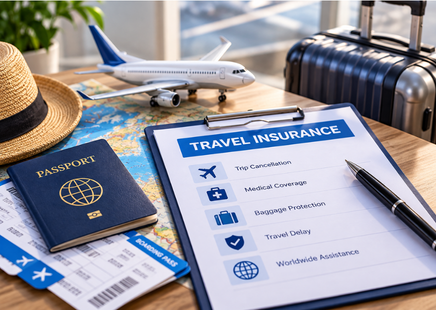
- Medical emergencies and hospitalisation abroad
- Emergency evacuation and repatriation
- Trip cancellation, interruption or delay
- Loss or delay of checked baggage and passport
- Personal liability
3. Read the exclusions
Check how the policy treats pre-existing medical conditions, adventure activities, alcohol-related incidents and travel to certain regions. Note the deductible amount and the claim process, including which documents you must keep.
4. Choose the right sum insured and duration
Match the sum insured to the cost of healthcare at your destination, and make sure the policy covers your full travel dates, including any extension.
5. Carry the policy details
Keep a copy of the policy and the insurer’s 24×7 emergency helpline number with you, and share them with a family member back home.
How APEX can help
We help you compare suitable travel insurance options for your destination and visa requirements before departure. Cover, exclusions and claims are always subject to the selected insurer’s terms and conditions.
This article is for general guidance only. Visa rules, fees and supplier policies change from time to time; please confirm the latest requirements for your case with our team. Visa decisions are made solely by the concerned embassy, consulate or immigration authority.